Paris Housing Crisis: Criminalizing Vulnerable Residents
Paris, often romanticized as the City of Lights, love, and culture, faces an increasingly stark reality for many of its residents: a profound housing crisis. This challenge goes far beyond mere affordability; it delves into issues of human rights, social justice, and the fundamental right to shelter. The escalating cost of living and housing scarcity are generating significant
préoccupations des habitants de Paris, concerns that are exacerbated by a worrying trend: the criminalization of vulnerable individuals facing housing insecurity.
The core issue isn't just a lack of available homes but a policy shift across various European governments, including France, that prioritizes property rights and market interests over the universal right to housing. This stance has led to the implementation of increasingly repressive laws, directly impacting the most fragile segments of society and igniting widespread debate about the future of Paris's social fabric.
The Shifting Landscape: From Housing Rights to Property Primacy
Over the past decade, a discernible pattern has emerged in housing policy across Europe. Governments have moved towards strengthening the prerogatives of property owners, big landlords, financial markets, and real estate developers. This strategic pivot aims to bolster property markets, often under the guise of economic growth or urban revitalization. However, the collateral damage is a weakening of the fundamental right to housing for all.
This shift manifests in several ways. Policies are designed to streamline eviction processes, penalize informal housing solutions, and curtail the ability of individuals and groups to advocate for housing justice. The underlying philosophy seems to be that property, as a commodity and an investment, must be protected at all costs, even if it means marginalizing those who cannot afford to participate in an increasingly exclusive market. This fundamental tension between property rights and human rights is at the heart of the current crisis, prompting many Parisians to question the ethical compass guiding their city's development. For a deeper dive into this conflict, consider reading our related article:
Paris Residents' Housing Battle: Property Rights vs. Human Rights.
Criminalizing Vulnerability: Who is Targeted?
The most alarming aspect of this policy trend is the direct criminalization of individuals already facing extreme hardship. The categories of vulnerable people disproportionately affected include:
*
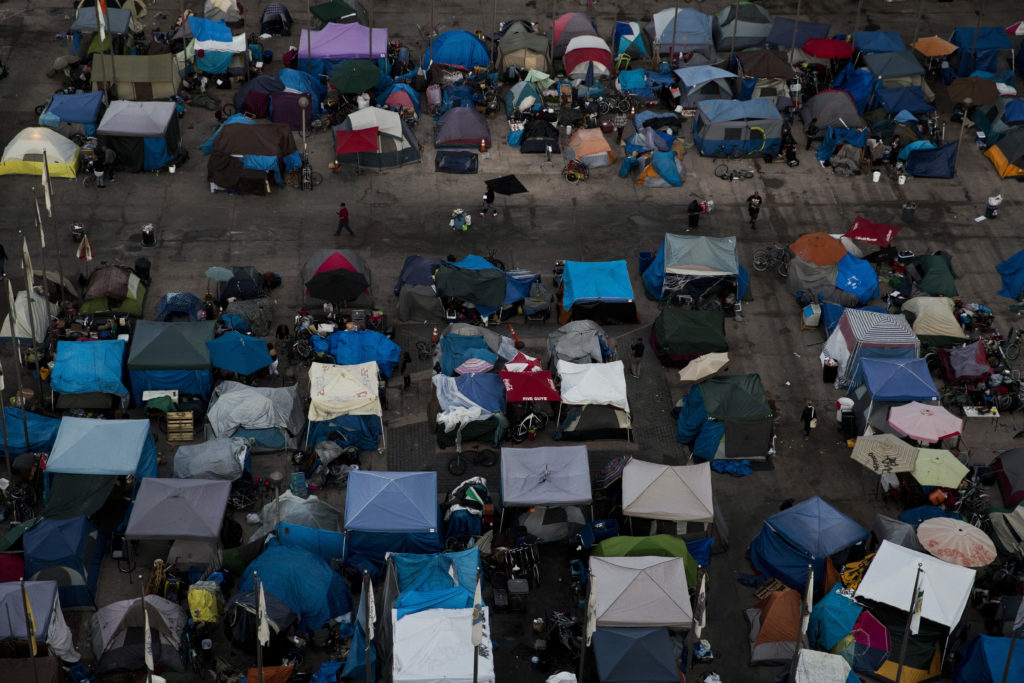
Homeless People: Laws are increasingly targeting visible signs of homelessness, such as sleeping in public spaces, begging, or establishing makeshift shelters. Instead of providing robust support systems and housing solutions, the response often involves fines, arrests, and the forced displacement of individuals, pushing them further into precarity. This punitive approach does little to address the root causes of homelessness and instead treats poverty as a crime.
*
Occupants of Empty Buildings (Squatters/Requisitioned): In a city with a significant number of vacant properties, the act of occupying an unused building, often out of sheer necessity, is met with severe legal repercussions. While property owners undoubtedly have rights, the existence of empty buildings amidst a housing crisis raises ethical questions about resource allocation. Laws are designed to swiftly evict these occupants, offering little to no alternative accommodation, thereby reinforcing a cycle of displacement.
*
Tenants and Owner-Occupiers in Precarious and Indebted Situations: Even those with formal housing arrangements are not immune. Economic downturns, job losses, or unexpected life events can plunge individuals and families into debt, making it impossible to meet rent or mortgage payments. Instead of robust social safety nets or mediation services, the legal framework often favors swift eviction, pushing these individuals into the ranks of the homeless or precariously housed.
*
Repression of Social Movements: Advocacy groups, activists, and social movements that organize to protest these policies or support vulnerable populations are themselves becoming targets of repressive measures. Protests are met with increased police presence, fines, and sometimes arrests, hindering their ability to effectively champion the cause of housing justice and represent the true
préoccupations des habitants de Paris.
This systematic criminalization not only inflicts further suffering on already marginalized groups but also sends a chilling message to the broader society: that the struggles of the vulnerable are to be managed through punishment rather than compassion or systemic reform.
Unpacking the Préoccupations des Habitants de Paris
The cumulative effect of these policies and the relentless market pressures create deep-seated
préoccupations des habitants de Paris that touch every aspect of urban life. These concerns extend beyond the directly affected to the wider community, which witnesses the erosion of social equity and community spirit.
*
Exorbitant Rents and Property Prices: Paris consistently ranks among the most expensive cities in the world. Average rents can consume a vast portion of a household's income, making it impossible for many to live within the city limits, especially young people, families, and those on modest incomes. Property ownership has become an unattainable dream for the vast majority of Parisians, leading to a sense of disenfranchisement.
*
Scarcity of Affordable Housing: Despite ongoing construction, the supply of truly affordable housing units, particularly social housing, has not kept pace with demand. The existing stock is often under threat from privatization or conversion, further exacerbating the crisis.
*
Gentrification and Displacement: As property values soar and areas are "redeveloped," long-term residents, local businesses, and cultural institutions are priced out. This leads to the loss of community, diversity, and the unique character of Parisian neighborhoods. The increasing number of short-term rental apartments, driven by tourism, also significantly reduces the housing stock available for permanent residents.
*
Legal Uncertainty and Fear of Eviction: The strengthened legal mechanisms for property owners often leave tenants feeling vulnerable and insecure. The threat of eviction, even for minor infractions or rent arrears, looms large, creating immense stress and impacting mental health.
*
Deterioration of Quality of Life: Overcrowding, long commutes from the periphery, and the pressure to find cheaper accommodation contribute to a decline in the quality of life. The vibrant, mixed-income communities that once defined Paris are slowly being replaced by more homogenous, less accessible areas.
*
Impact on Public Services: When key workers like teachers, nurses, and public transport staff cannot afford to live in the city, public services suffer. The ability of Paris to attract and retain essential talent is directly linked to housing affordability.
The Double-Edged Sword of Urban Development
Paris, a global city, attracts immense investment and tourism. While this brings economic benefits, it also exerts immense pressure on its housing market. The proliferation of short-term rental platforms, while lucrative for some property owners and beneficial for tourists, removes thousands of homes from the long-term rental market, intensifying scarcity. Furthermore, urban development projects, while often aimed at modernizing infrastructure or creating new public spaces, sometimes inadvertently contribute to gentrification and displacement if not meticulously balanced with social housing provisions and protections for existing residents. The pursuit of a "smart city" or a "green city" must not come at the expense of a "just city" where everyone has a place to call home.
Pathways to a Fairer Future: Solutions and Advocacy
Addressing the Paris housing crisis and alleviating the profound
préoccupations des habitants de Paris requires a multi-faceted approach that moves beyond punitive measures towards human-centered solutions.
*
Strengthening Tenant Protections: Implement robust laws that protect tenants from arbitrary evictions, excessive rent increases, and discrimination. This includes expanding rent control measures and providing accessible legal aid for those facing housing disputes.
*
Regulating Rental Markets: Stricter regulations on short-term rental platforms are crucial to return properties to the long-term housing market. This could include limiting the number of days properties can be rented out annually or imposing stricter licensing requirements.
*
Utilizing Empty Properties: Paris has a significant number of vacant homes. Policies to incentivize owners to rent out these properties, or even measures for their requisition for social housing, could help alleviate scarcity. Taxing empty properties more heavily could also encourage their use.
*
Expanding Social Housing Initiatives: A renewed commitment to building and maintaining a diverse stock of truly affordable social housing is paramount. This requires significant public investment and a long-term strategy to ensure availability for all income levels.
*
Supporting Advocacy and Social Movements: Instead of repressing them, authorities should engage with and support social movements advocating for housing rights. These groups often have direct insights into the needs of vulnerable communities and can propose effective, grassroots solutions. Their tireless efforts are vital in shaping a more equitable urban environment. Learn more about ongoing efforts by visiting:
Paris Meeting Targets Housing Insecurity & Social Repression.
*
Integrated Urban Planning: Develop urban plans that prioritize mixed-income communities, green spaces, and accessible public services, ensuring that development benefits all residents, not just a select few.
*
Practical Advice for Residents: For Parisians concerned about housing, getting involved with local housing associations, attending public meetings, or contacting elected officials can make a difference. Websites of organizations like Droit Au Logement (DAL) or Fondation Abbé Pierre offer resources, legal advice, and avenues for collective action.
Conclusion
The Paris housing crisis is a complex, evolving challenge that demands urgent attention. The current trend of criminalizing vulnerable residents not only exacerbates their suffering but also undermines the fundamental principles of social justice and human dignity that a city like Paris should uphold. The widespread
préoccupations des habitants de Paris regarding affordability, availability, and the fairness of housing policies signal a critical need for change. Moving forward, the focus must shift from protecting property interests at all costs to ensuring the right to housing for everyone. Only by embracing comprehensive, compassionate, and equitable solutions can Paris truly remain the beacon of light and hope for all its inhabitants.